Set the visual direction for both editions.
Brand systems and AI team workflows.Hands-on from first sketch to live product.
hello@dashaaa.comPortfolio, EST 2026©
( Visual case · 01 )
Berlin 2025 / Munich 2026
Conference identity across two venues
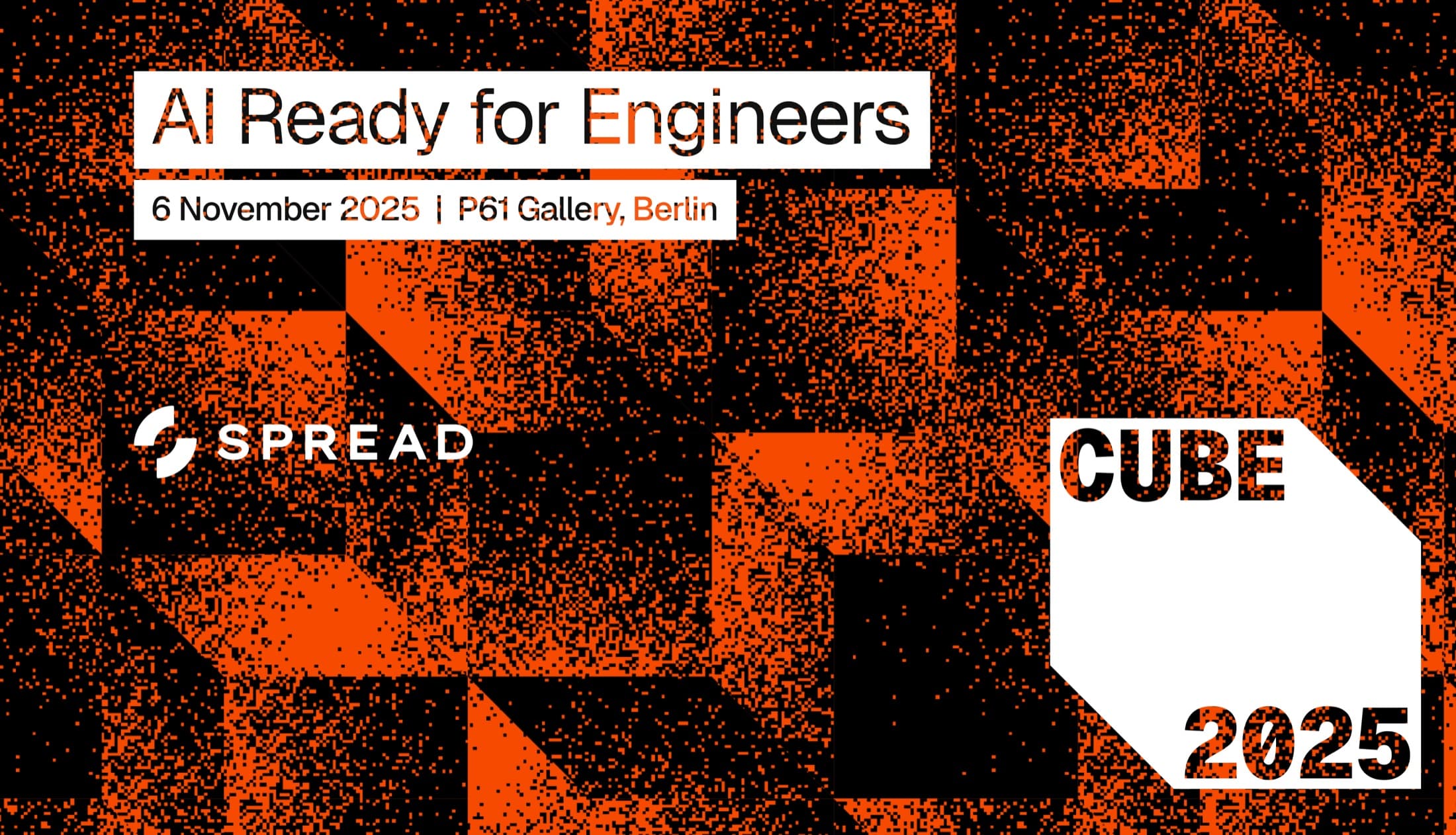
One conference identity rebuilt around the architecture of each edition, from a dark Berlin gallery to an open industrial hall in Munich.
ClientCUBE
RoleArt Direction · Design · Development
FormatBrand + Event
TimeframeCUBE 2025 + CUBE 2026
( The situation )
The venue changed. The identity had to change with it.
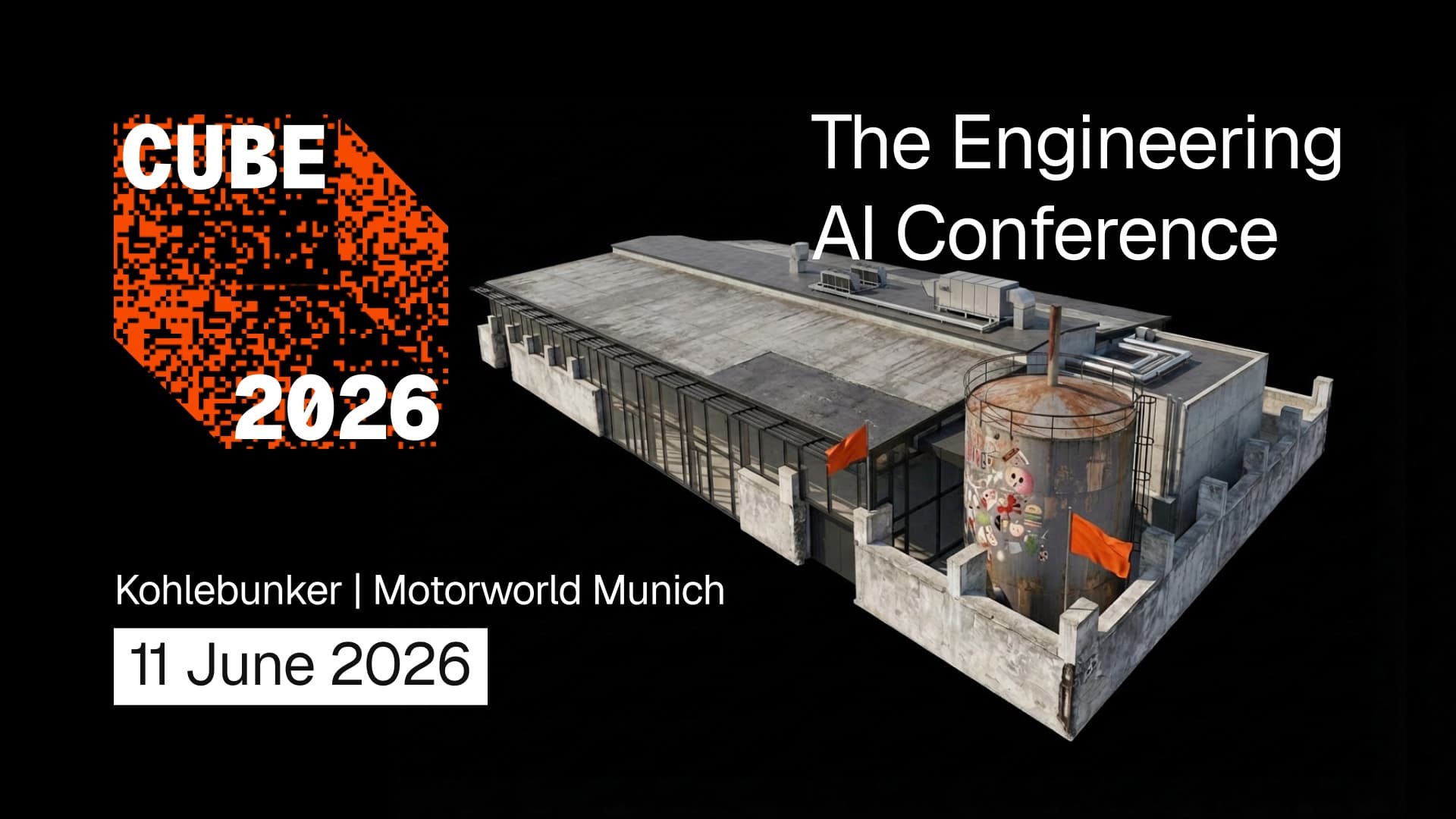
CUBE brings senior engineering leaders together to discuss how AI changes the product lifecycle. In 2025, it occupied a dark floor of P61 Gallery in Berlin. In 2026, it moved into Munich’s vast Kohlebunker. I used the architecture of each venue as part of the identity, while keeping the event recognizably CUBE across every physical and digital surface.
( My ownership )
Art direction stayed connected to production.
The same creative judgement continued across the room, the screens, the website, and the campaign that followed.
Mapped the identity across venue plans, screens, print, signage, and guest details.
Designed, built, and maintained the CUBE HubSpot website.
Directed and produced screen motion and the website showcase film.
Created the recap film and post-event campaign system.
Stayed with the work from concept through production, publishing, and iteration.
( P61 Gallery · Berlin )
Dark gallery. One moving field.
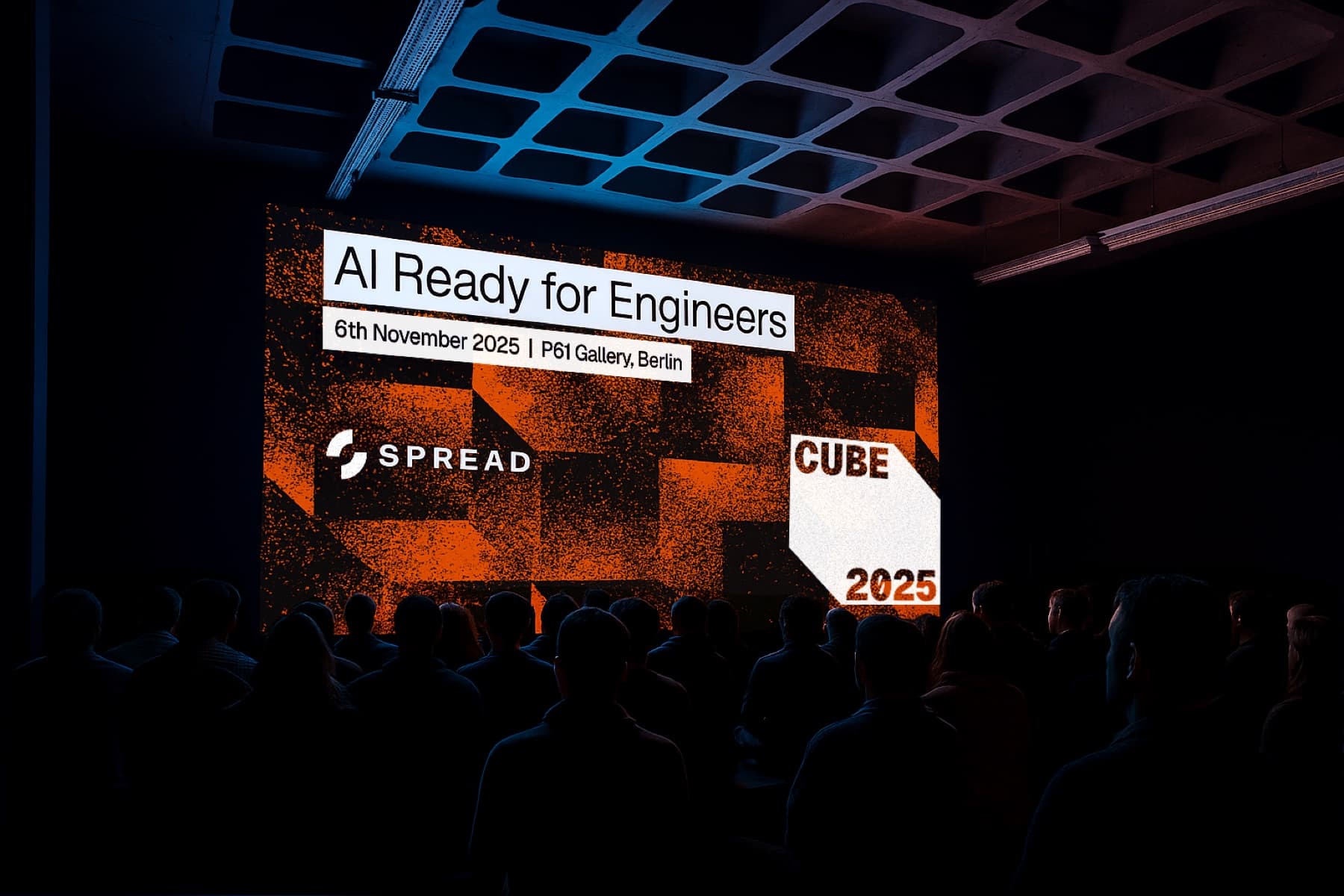
The identity did not sit on top of the venue. It used the darkness, screen density, and long sightlines to turn the floor into a sequence.
( 2025 · Identity )
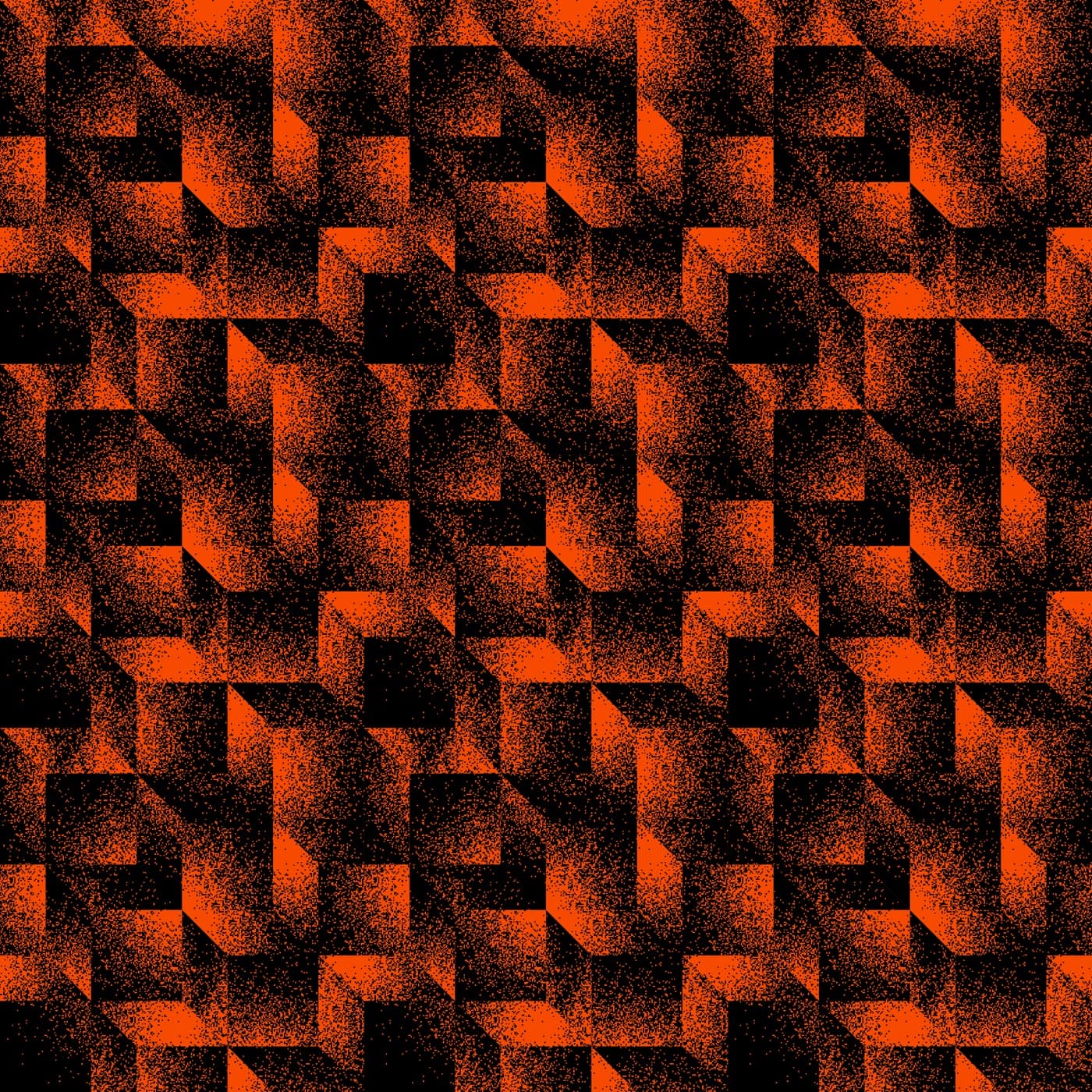
Build a visual language from pixels, contrast, and interruption.
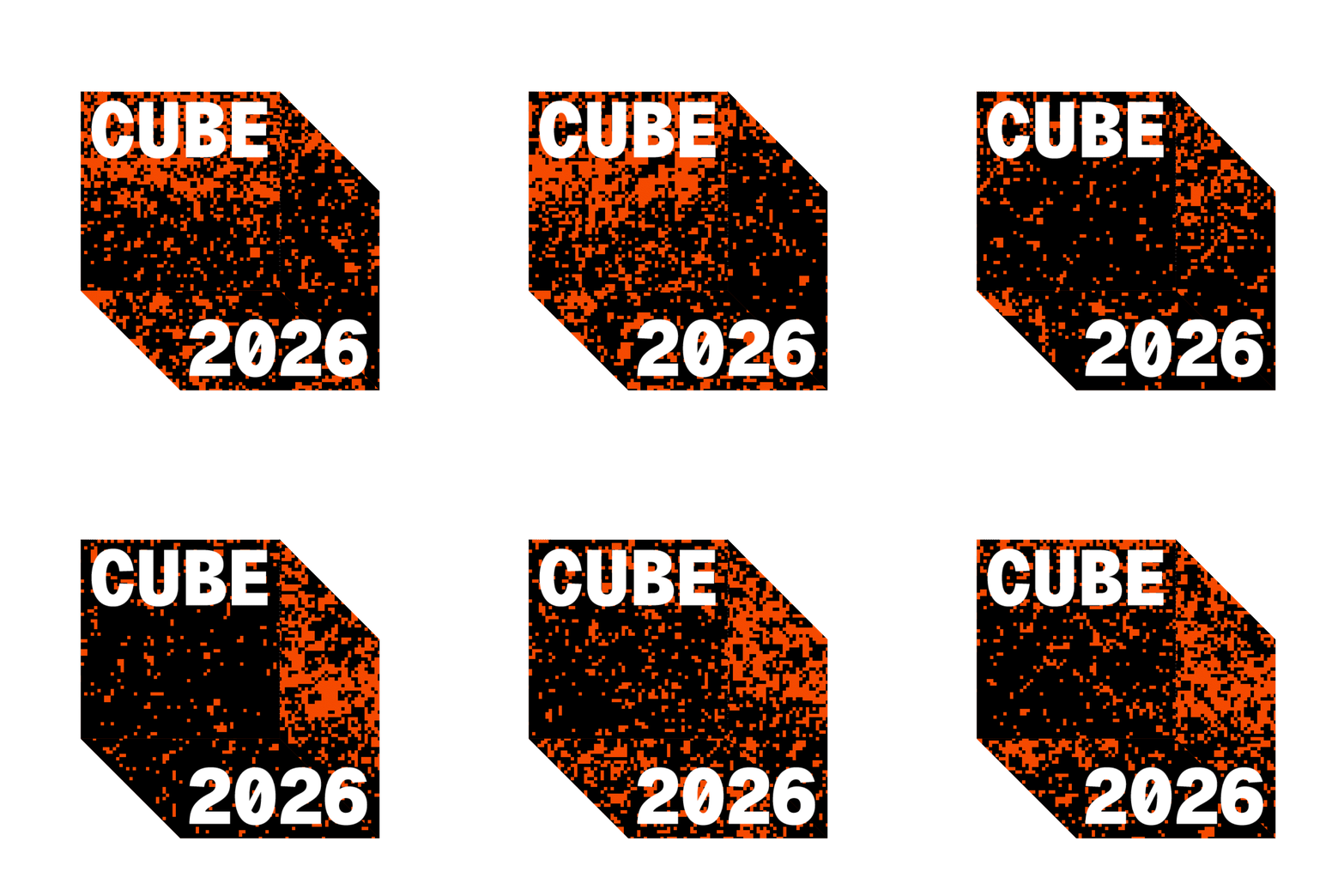
The 2025 system began with a pixel pattern that could break apart, regroup, and hold messages at radically different scales. Orange, black, and white gave the event a sharp visual grammar that worked from a campaign image to a wall of screens.
- Pixel identity
- High-contrast system
- Cross-format art direction
( 2025 · Space )
Use the gallery floor as one continuous composition.
P61 gave CUBE a full gallery floor and around forty digital surfaces. I treated the screens, physical materials, navigation, and stage as connected beats in a dark spatial story, rather than as separate branded placements.
- Full P61 floor
- Around 40 screens
- Spatial sequence
( On site )
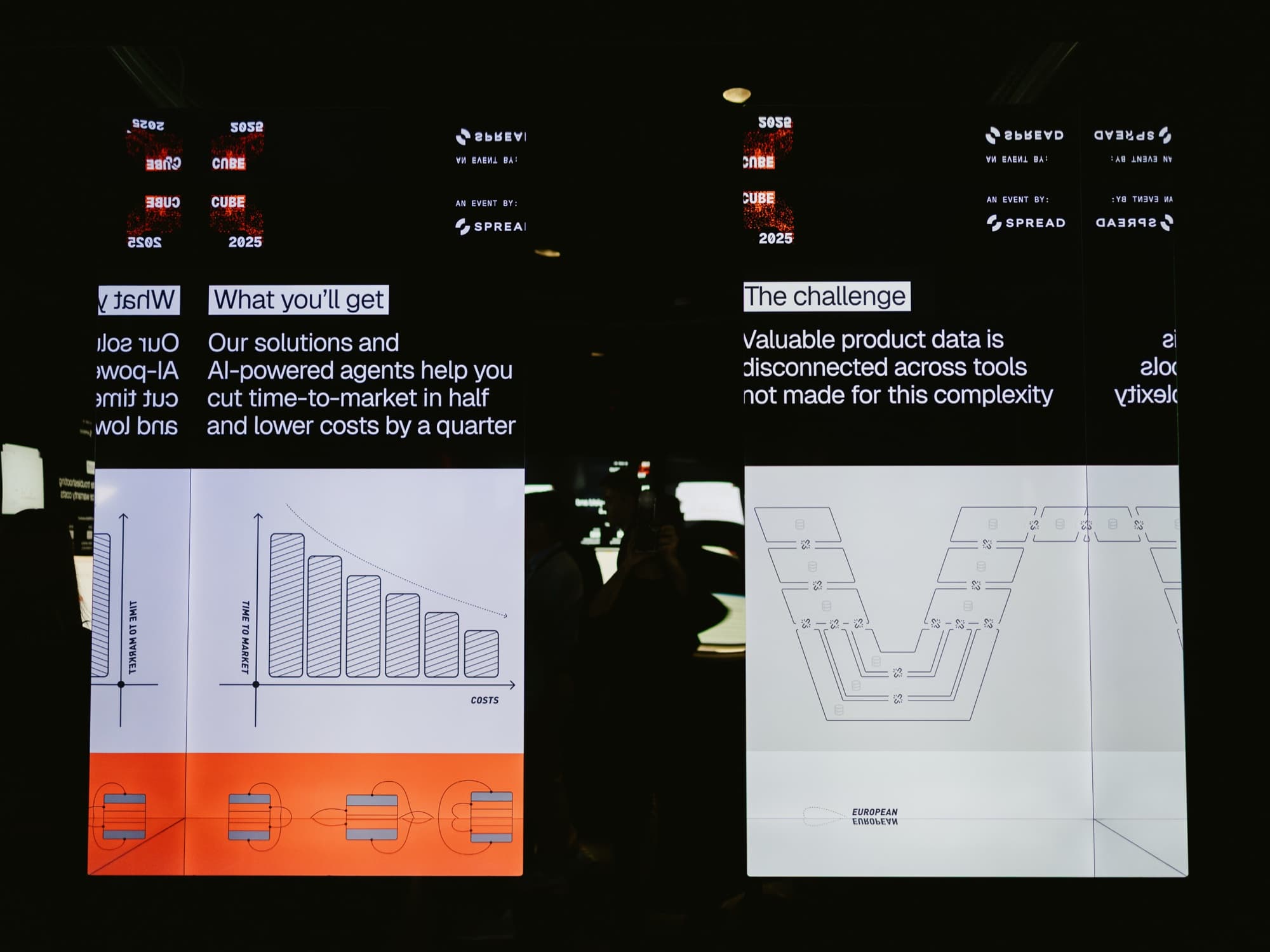
The screen system became part of the architecture.
Moving through P61 revealed content in sequence. Portrait displays, panoramic canvases, and navigation graphics shared one grid and one visual tempo.
( 2025 · Motion )
Compose one opening across three synchronized screens.
The opening film was designed as a panoramic sequence. Type, texture, and the pixel field travelled between three displays so the room received one moving composition instead of three repeated videos.
- Three-screen composition
- Screen motion
- Panoramic pacing
20252026
Same behavior. More air.
( Kohlebunker · Munich )
Industrial scale. A lighter rhythm.
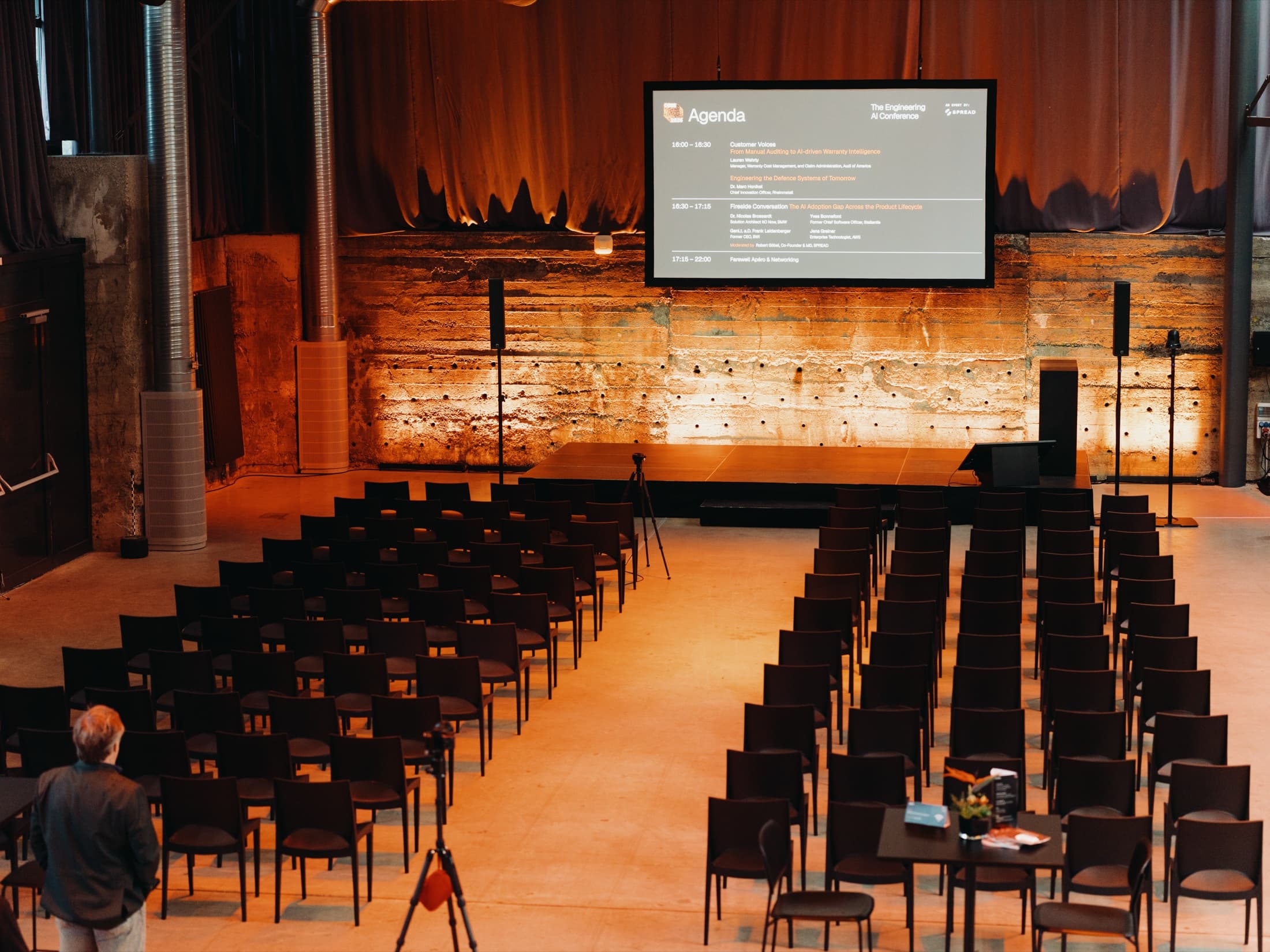
The second edition kept CUBE’s sharpness but made room for the height, daylight, and tactile surfaces of the Kohlebunker.
( 2026 · Evolution )
Keep the system recognizable while changing its atmosphere.
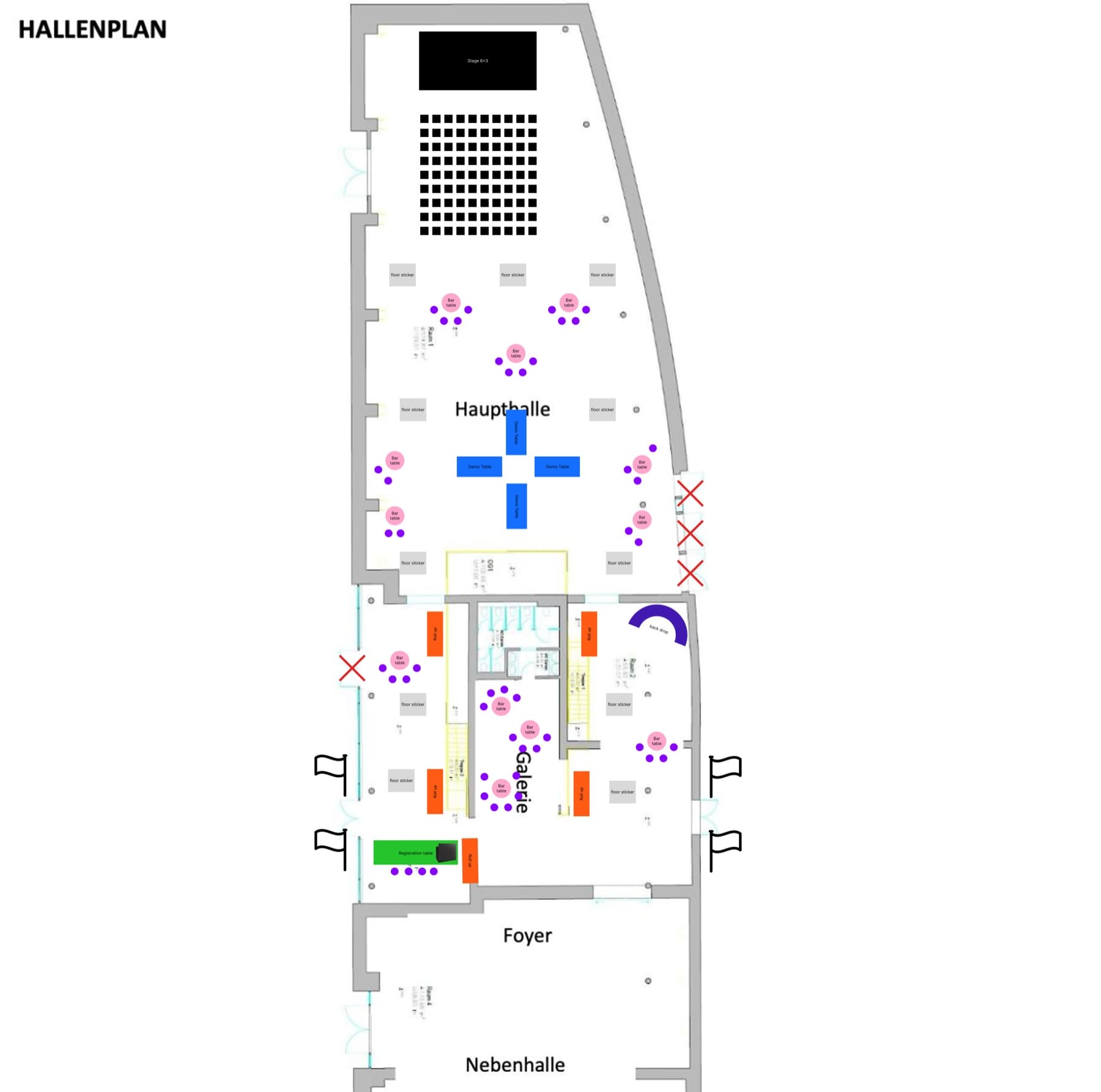
The Kohlebunker called for more air, larger pauses, and a closer relationship with photography. I retained the pixel logic and typographic tension, then rebuilt the composition around the height, daylight, and raw surfaces of the industrial hall.
- Kohlebunker Munich
- Spatial planning
- Identity evolution
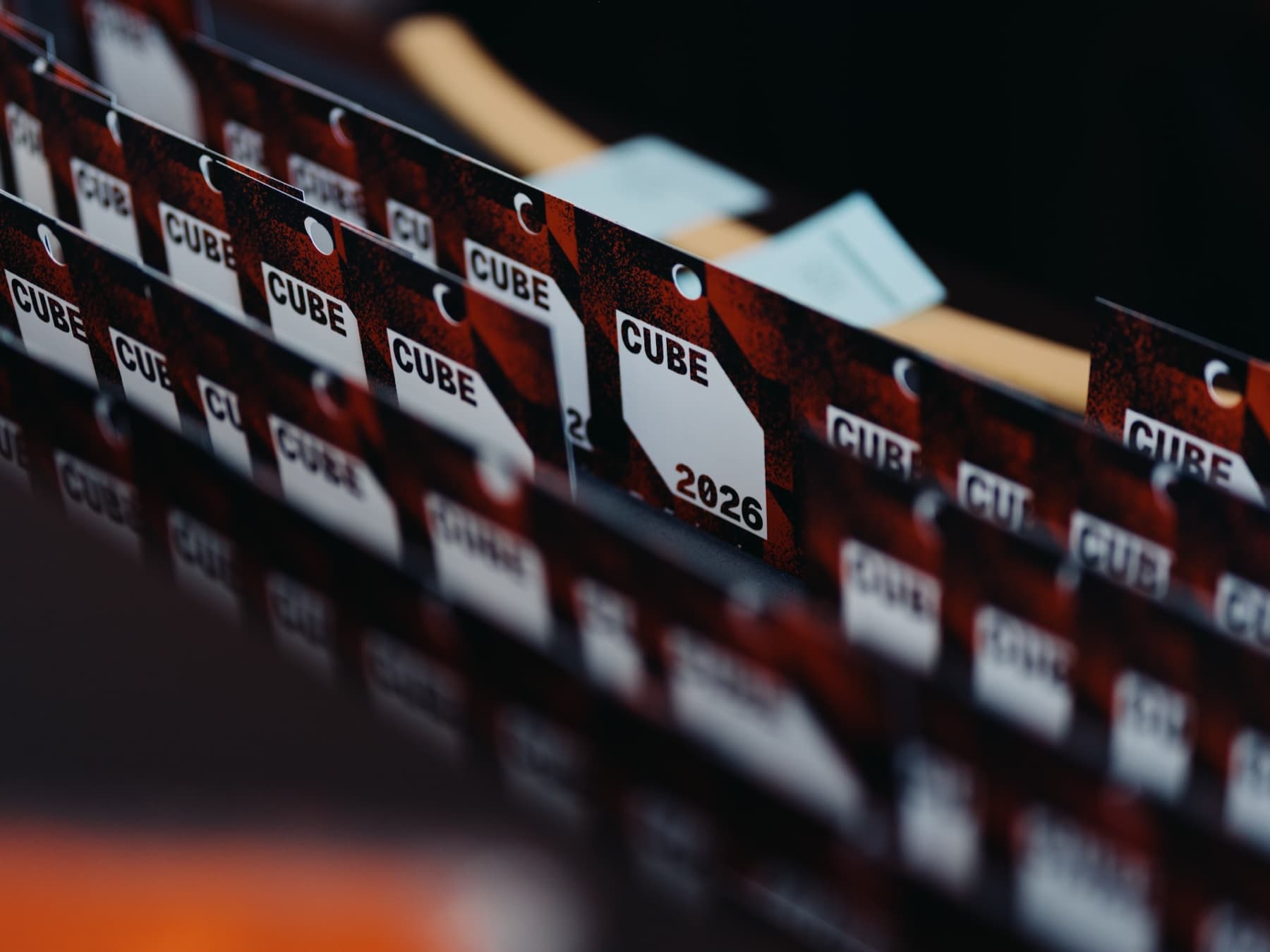
( Wayfinding underfoot )
The product story entered the path through the room.
Floor graphics turned engineering language into spatial wayfinding, bringing the pixel system onto a surface guests encountered in motion.
( Digital extension )
The website became the event’s second room.
( 2026 · Digital )
Carry the atmosphere of the room into a working website.
I designed, built, and maintained a separate CUBE HubSpot theme. Event photography, the pixel field, speaker content, agenda, and recap material became one responsive home that could support the event before and after the doors opened.
- Web design
- HubSpot development
- Responsive event system
( After the event )
One day became an ongoing body of content.
( 2026 · Campaign )
Turn one day in the room into an ongoing body of content.
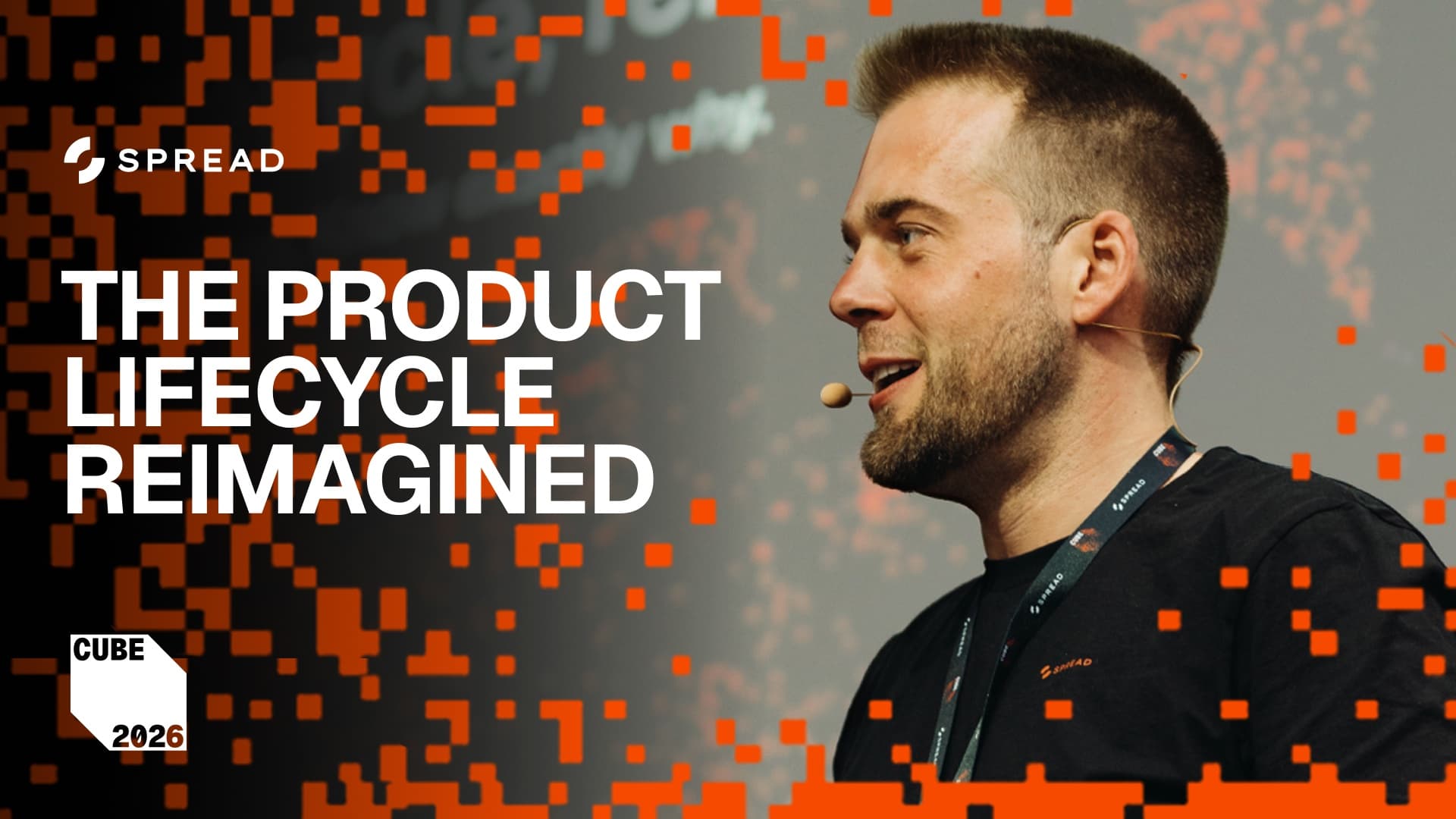
After the event, the visual system continued through the aftermovie, speaker recaps, editorial graphics, and LinkedIn publishing. Each asset led back to the CUBE content library and connected the event to Spread’s wider point of view.
- Aftermovie
- Speaker recaps
- LinkedIn and editorial system

( Reflection )
Continuity came from a way of thinking, not a fixed layout.
CUBE stayed coherent because the identity was treated as a set of behaviors: pixels could gather and disperse, typography could interrupt an image, and every surface could become part of a sequence. Those rules made it possible to move from a dark Berlin gallery to an open Munich hall without repeating the same event twice.